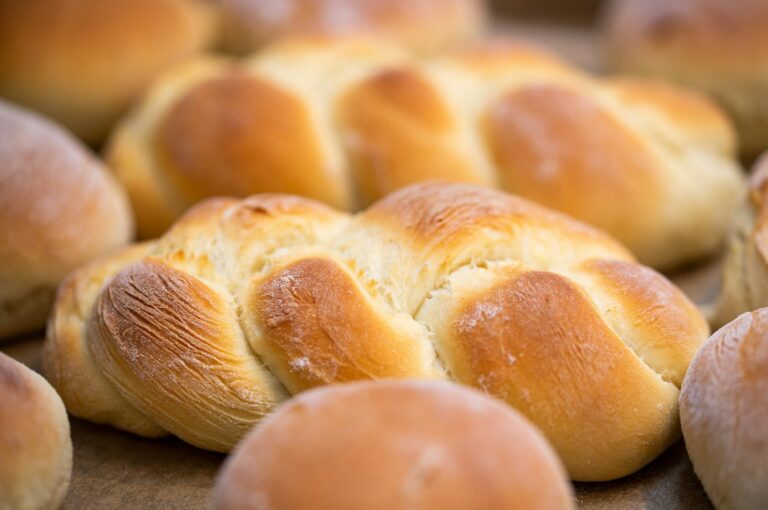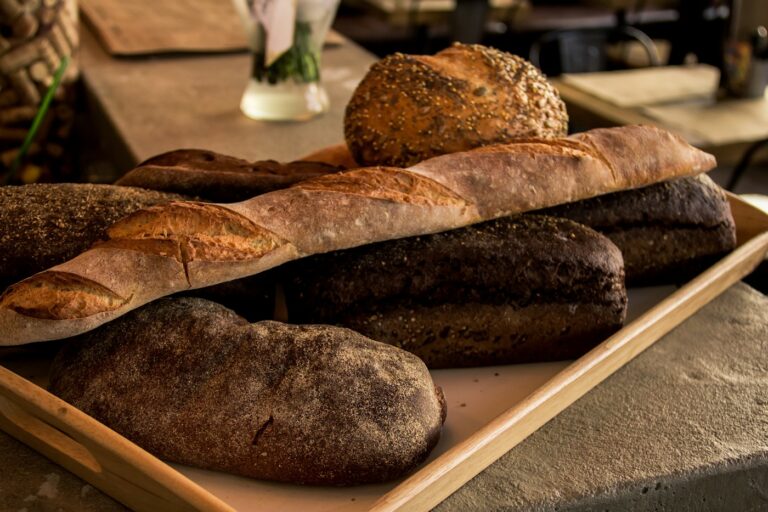
A braided challah looks impressive, but the pattern is simple once your hands know it. Start with three strands, then try four, then the round spiral for the new year. Whichever you choose, the secret is the same: even strands and dough that is relaxed enough to stretch.
Before you braid
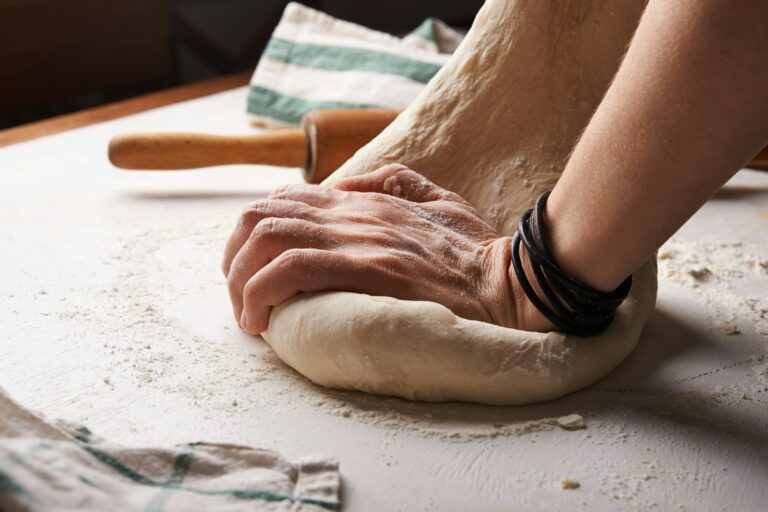
- Rest the dough. After dividing, cover the pieces for 10 minutes so the gluten relaxes and the ropes roll out easily.
- Weigh your pieces so every strand is the same size.
- Use a light dusting of flour, or none. Slightly tacky dough grips the counter and rolls into long, even ropes.
- Roll from the center outward, tapering the ends a little so the finished loaf has gently pointed tips.
The classic three-strand braid
- Lay three ropes side by side and pinch them together firmly at the top.
- Take the right strand over the middle one. It becomes the new middle.
- Take the left strand over the new middle. Repeat, right then left, until you run out of dough.
- Pinch the ends and tuck both ends under the loaf.
Braid loosely. The dough will puff and fill every gap in the oven.
The one rule worth remembering
The four-strand braid
This one gives a taller, rounder loaf. Pinch four strands together at the top. Take the strand on the far right, weave it over the next strand, under the one after, then over the last, so it ends up on the far left. Repeat with the new right-hand strand until you reach the end, then pinch and tuck.
The round (spiral) loaf
Traditional for Rosh Hashanah. Roll one long rope, thicker in the middle and tapering to the ends. Coil it from the thick end into a spiral, snail-style, and tuck the tail underneath. Our honey round challah uses this shape.
Finishing touches
- Brush with beaten egg once before the final rest and once more right before baking for a deep, glossy shine.
- Rest the braided loaf until it looks puffy and a gentle poke leaves a slow-fading dent.
- Bake until deep golden. A baked challah sounds hollow when tapped on the bottom.
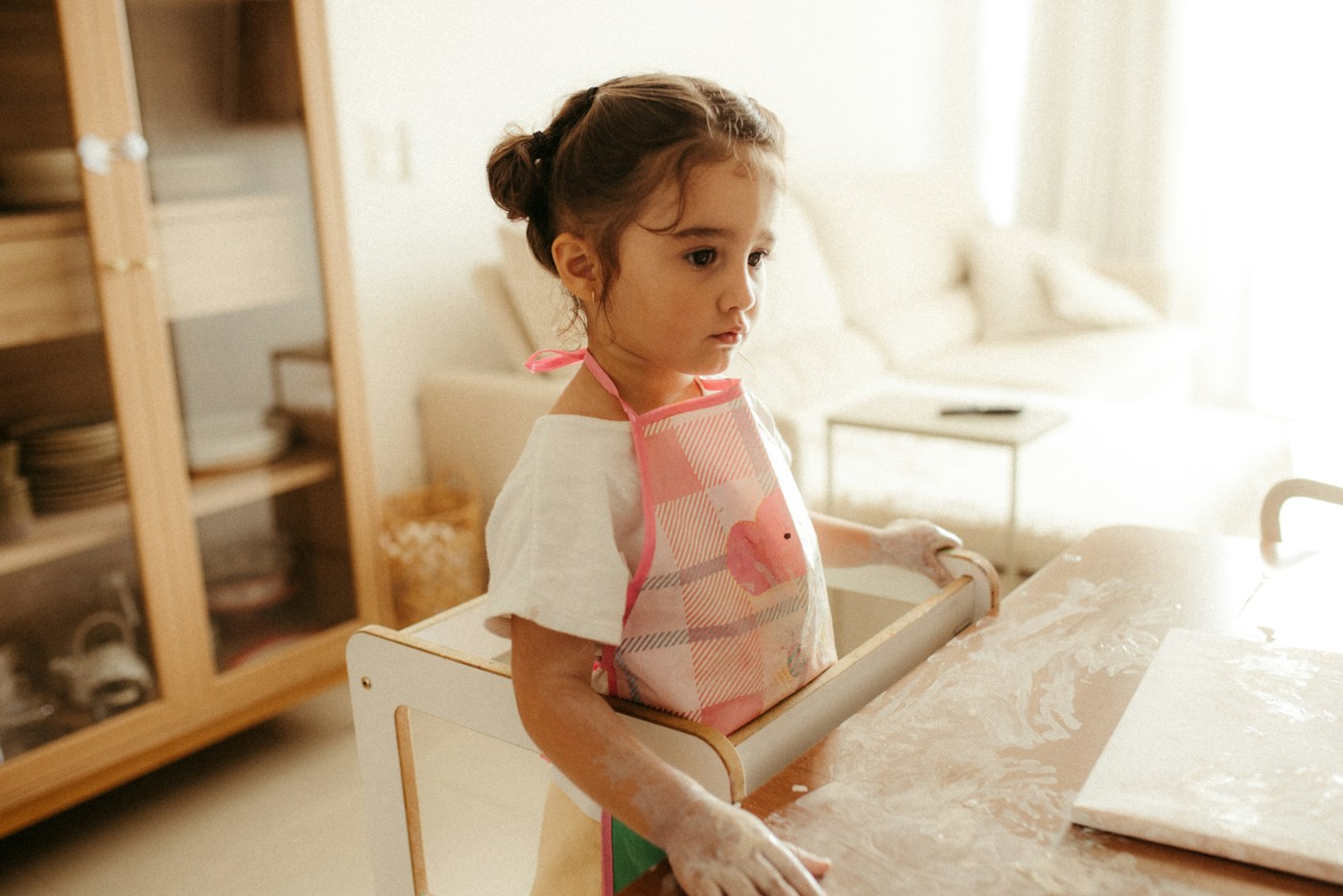
Prefer to learn side by side? A challah bake is the perfect place: someone near you always knows a pattern you do not.