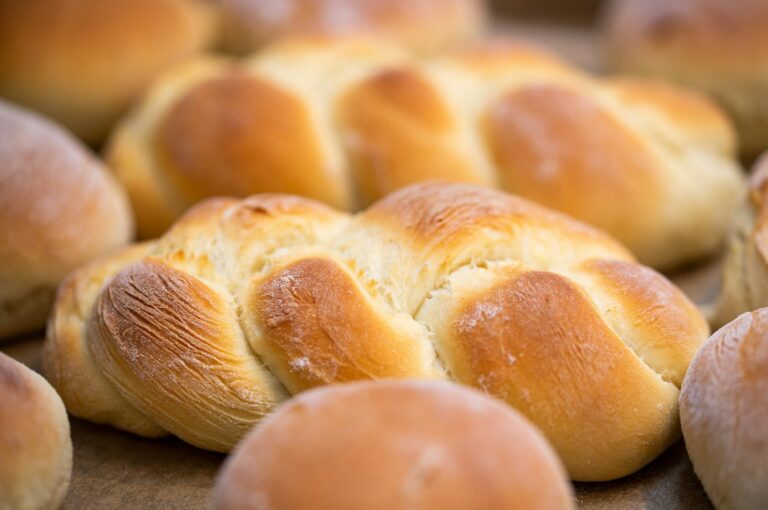
Baking challah ahead is one of the great kindnesses to your future self. Done right, a loaf frozen on Wednesday tastes like it came out of the oven on Friday. The details are small but they matter.
Cool it completely
Let the challah cool on a rack until it is fully cold, at least an hour for a large braid. Wrapping a warm loaf traps steam, which makes the crust soggy and the loaf spoil sooner.
Freezing
- Wrap each loaf tightly in plastic wrap or a freezer bag, pressing out as much air as you can.
- Add a layer of foil for long storage, and label it with the date.
- Frozen challah is best within about three months.
Thawing and reviving
Thaw the loaf, still wrapped, on the counter for a few hours. To bring back that fresh-baked crust, unwrap it, loosely wrap it in foil and warm it in a 160 to 175 C (325 to 350 F) oven for 10 to 15 minutes, opening the foil for the last couple of minutes.
Keeping it fresh at room temperature
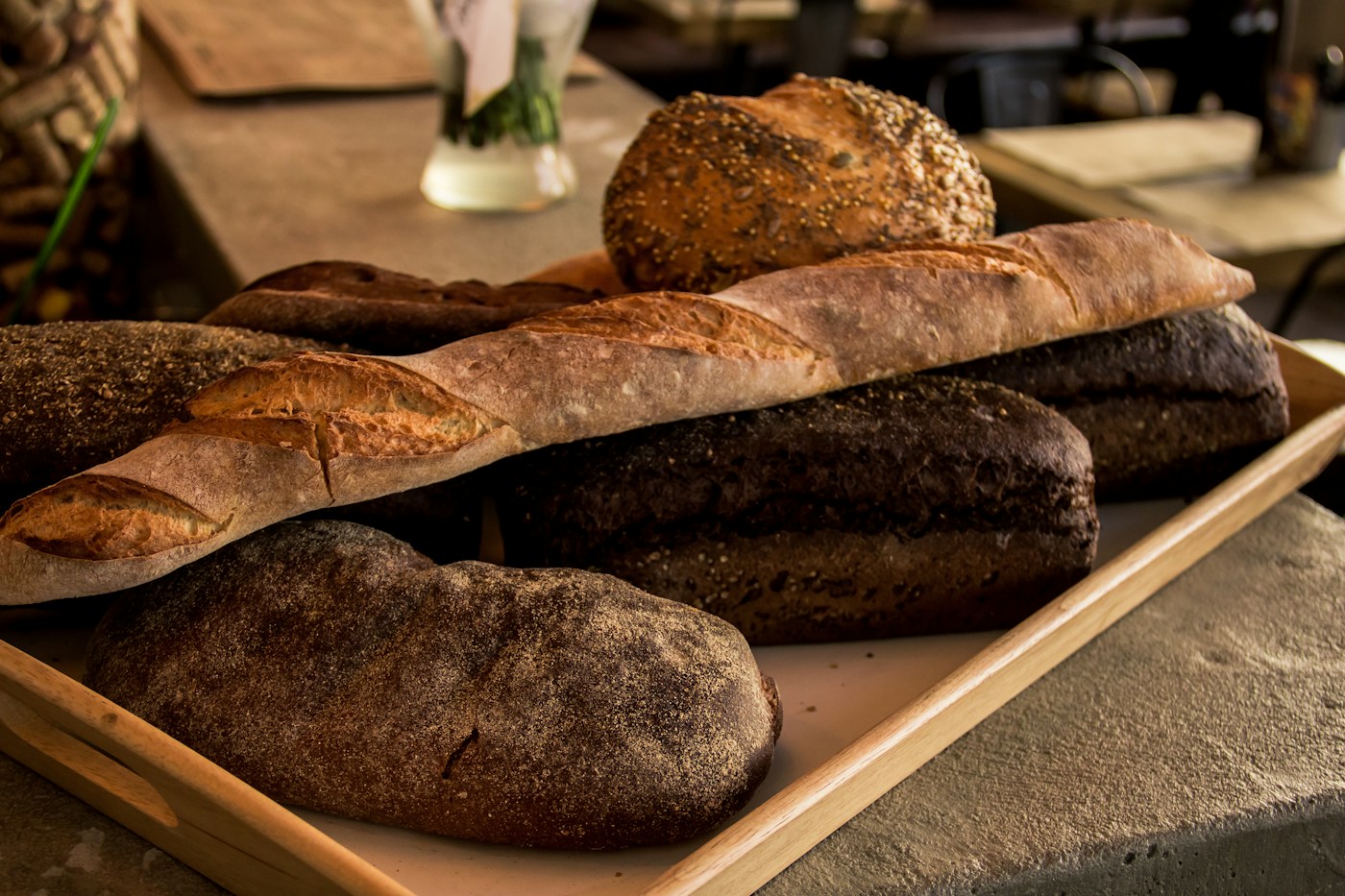
- A cooled loaf keeps for a day or two in a paper bag or a bread box, or wrapped in a clean towel.
- Avoid the refrigerator: it dries bread out faster than the counter does.
- Slice only what you need, and keep the cut side down on the board.
Freezing the dough
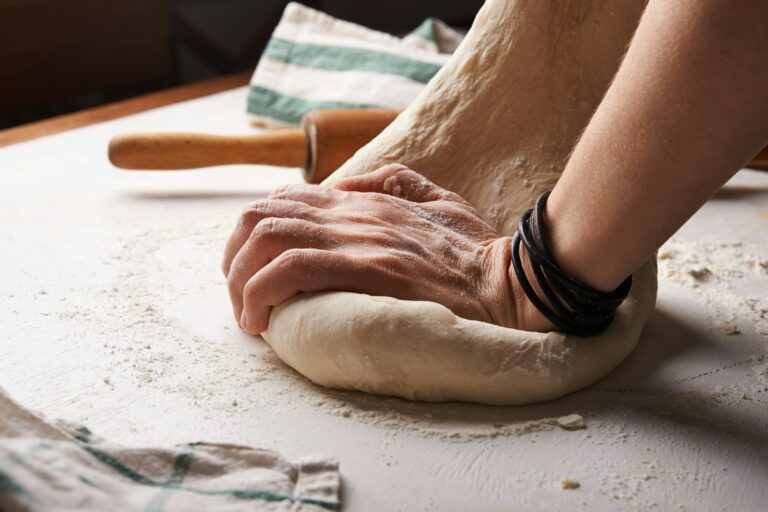
You can also freeze shaped, unbaked dough. Braid the loaf, freeze it on a tray until solid, then wrap it. Thaw it overnight in the refrigerator, let it rest at room temperature until puffy, then egg wash and bake as usual.
Remember to separate challah from the dough before freezing, according to your custom. Our hafrashat challah guide explains how.